

Food and Nutrition Insecurity
Food and nutrition insecurity put people in the high-risk category for chronic health conditions, such as diabetes, obesity, heart disease, mental health disorders and other chronic diseases. Health data also shows alarming racial disparities, with an adult obesity rate of 24% among White residents and 37% among Black residents. Forty percent of adults making less than $35,000 per year are obese compared to 19% of making more than $75,000 per year.
Lack of Access and Food Insecurity Locally
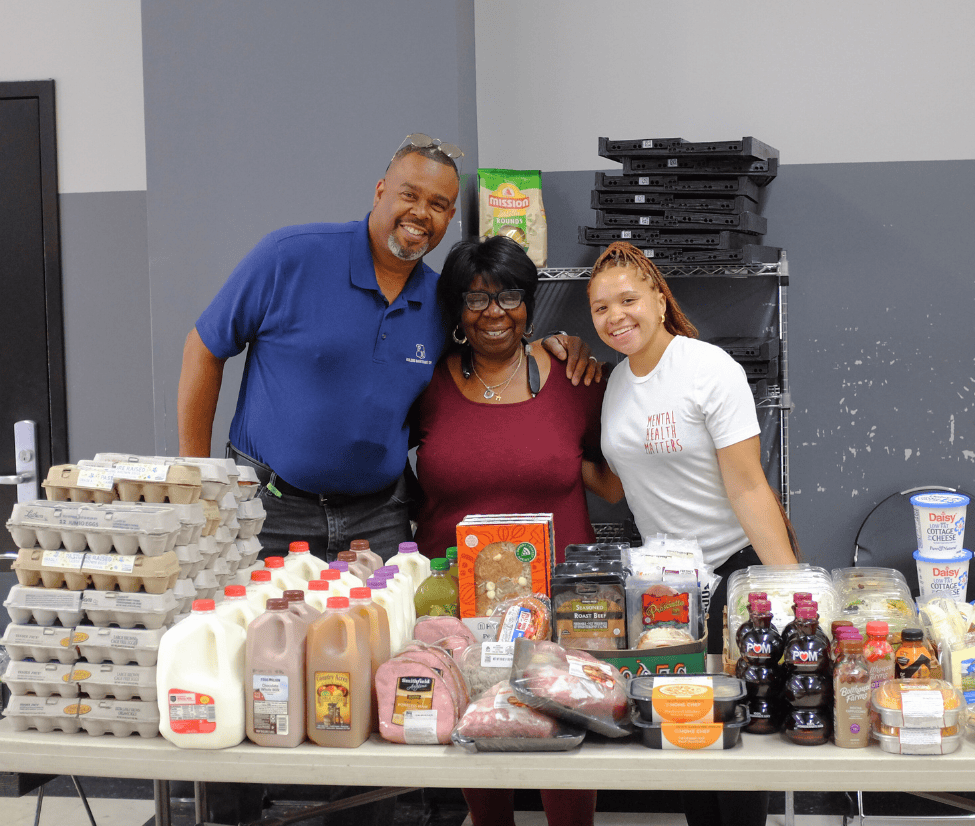
The USDA reports that 23% of Richmond has limited access to fresh, affordable foods and grocery stores, in favor of fast food and convenience stores. Across the state, 13% of children live in food insecure homes. Federal child nutrition programs provide millions in support to food insecure families, however, not all qualify. Many local organizations also focus on culturally appropriate foods in places that our neighbors frequent – like food pantries, health clinics and low-income neighborhoods.
Get Involved and Give Back
Wondering what you can do to help? Below are a few suggestions for ways you can make a difference.
Donate
Help Fund Grants for Food and Nutrition Insecurity
Join with other members of the community to contribute to The Fund for Health and Wellness. Your gift is tax deductible, and you'll be partnering with others across the region to help create funds to ensure food security for all families.
Volunteer
Have an impact in Food and Nutrition Insecurity
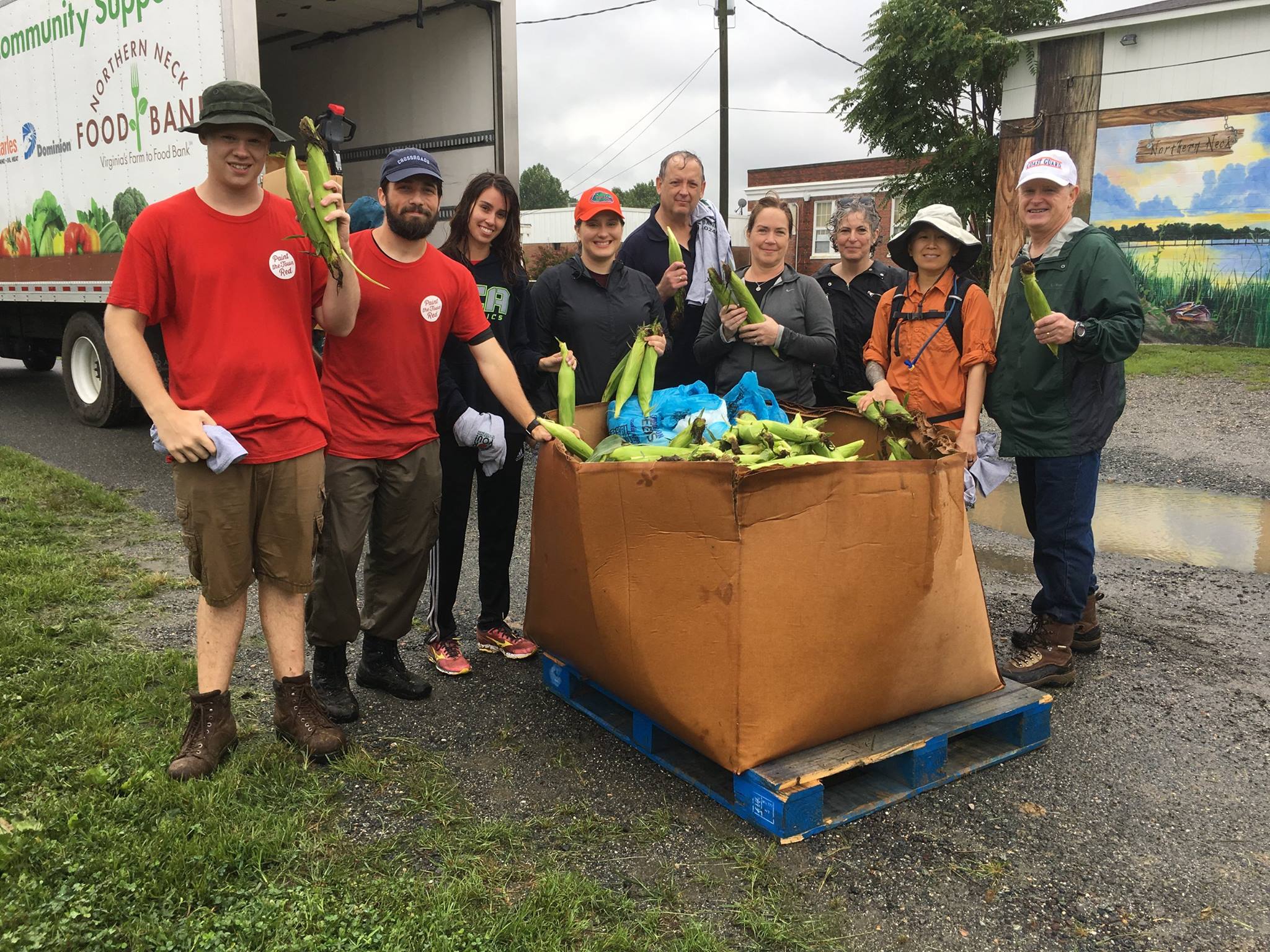
Many local organizations post volunteer opportunities on CFengage.org — from in-person to DIY or virtual, there are many options for you, with a group or your family.
This is a sampling of the current volunteer opportunities that are available. You can see the full listing by clicking the Volunteer button.
Stay Informed
Learn More About Food and Nutrition Insecurity
It’s important to learn more about the causes that you care about. You can read related news and articles, research organizations making a difference, attend an educational event on the topic or discover ways to advocate for solutions.
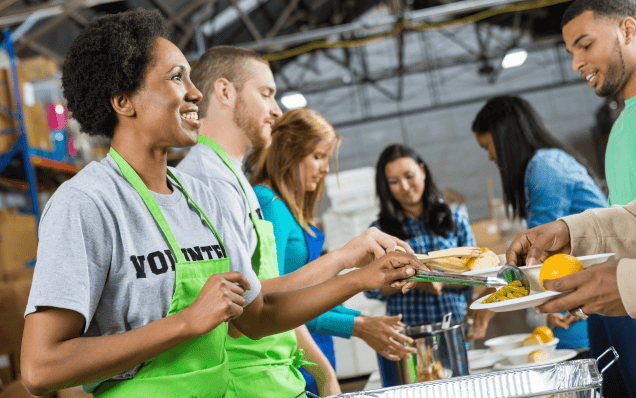
Feeding America Interactive Data Portal
Feeding America is a part of a nationwide network of food banks, food pantries and community-based organizations in the United States. Explore their interactive data that examines the relationship between food insecurity and socioeconomic factors.
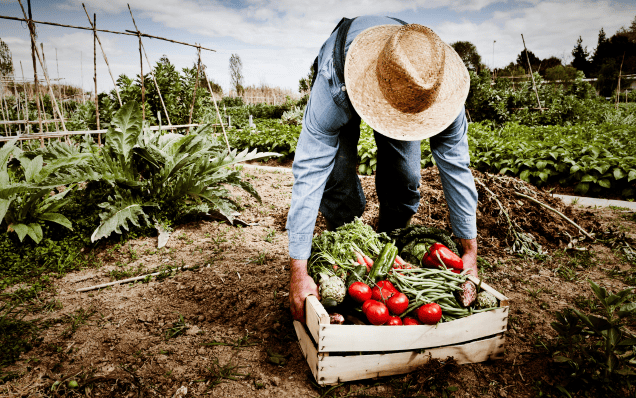
FeedVA Roadmap to End Hunger
This Roadmap produced by the Virginia Food Access Coalition documents the regulatory and budgetary opportunities in food access and nutrition policy available to the Commonwealth to make the most significant impact for families facing hunger.

No Kid Hungry Virginia Resources
No Kid Hungry Virginia has resources, studies and tools to help kids in our commuity and fight hunger.
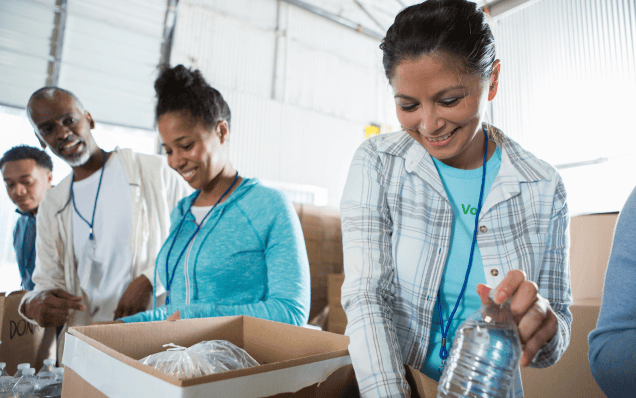
The State of Global Civic Engagement on Poverty and Homelessness
Waymakers Foundation was formed in 2020 in response to the COVID-19 pandemic, to support the Latino and Hispanic community in their access to food.
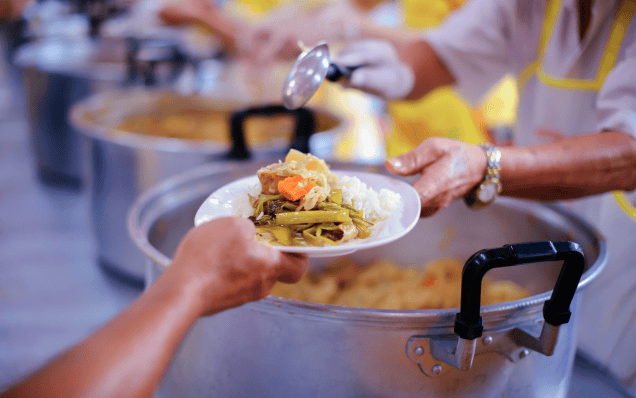
The State of Global Civic Engagement Deep Dive on Food Banks and Hunger
The Points of Light Global Network coordinates and shares research to encourage evidence-based civic actions.
Hunger in Virginia
As of 2021, Virginia’s food insecurity rate stands at 8.1%, meaning that over 704,000 people had to worry where their next meal would come from on any given day.
Connect With An Expert
We’re here to help you make an impact. Let’s connect and explore the possibilities.