

Conserve The Future Fund
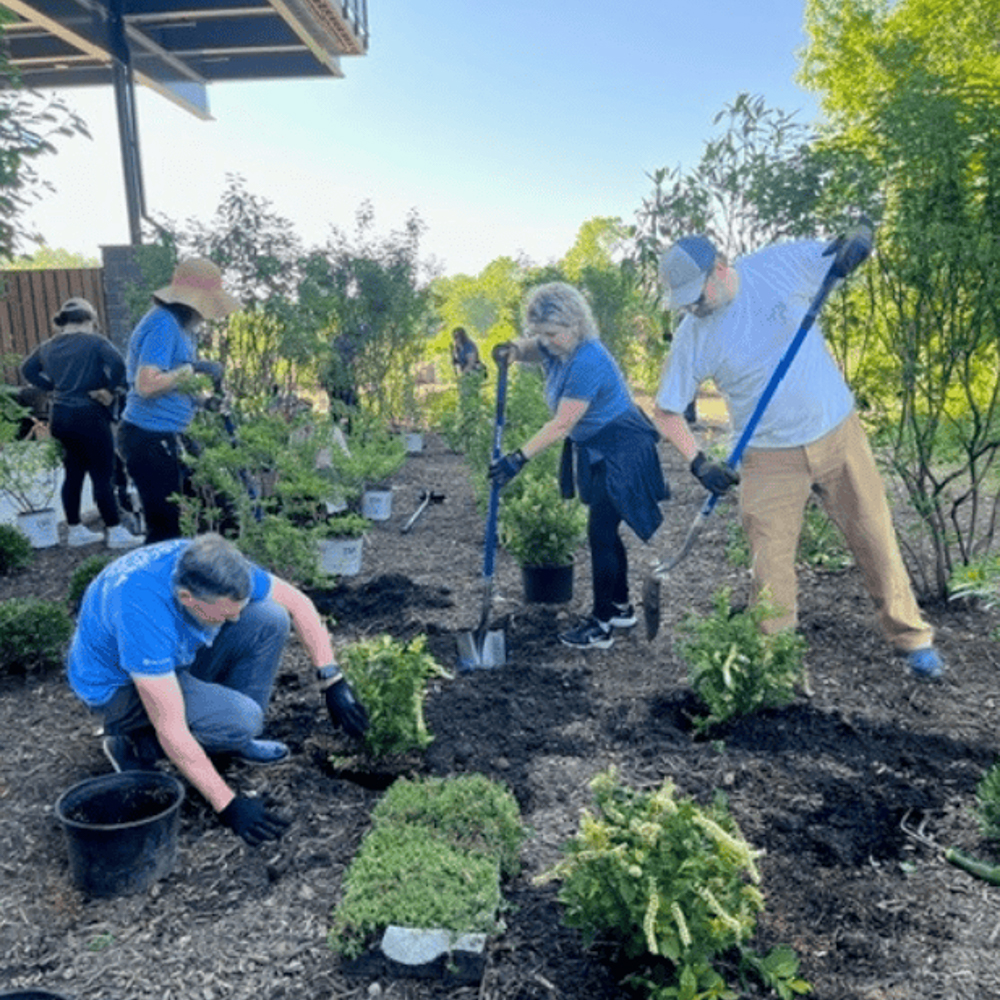
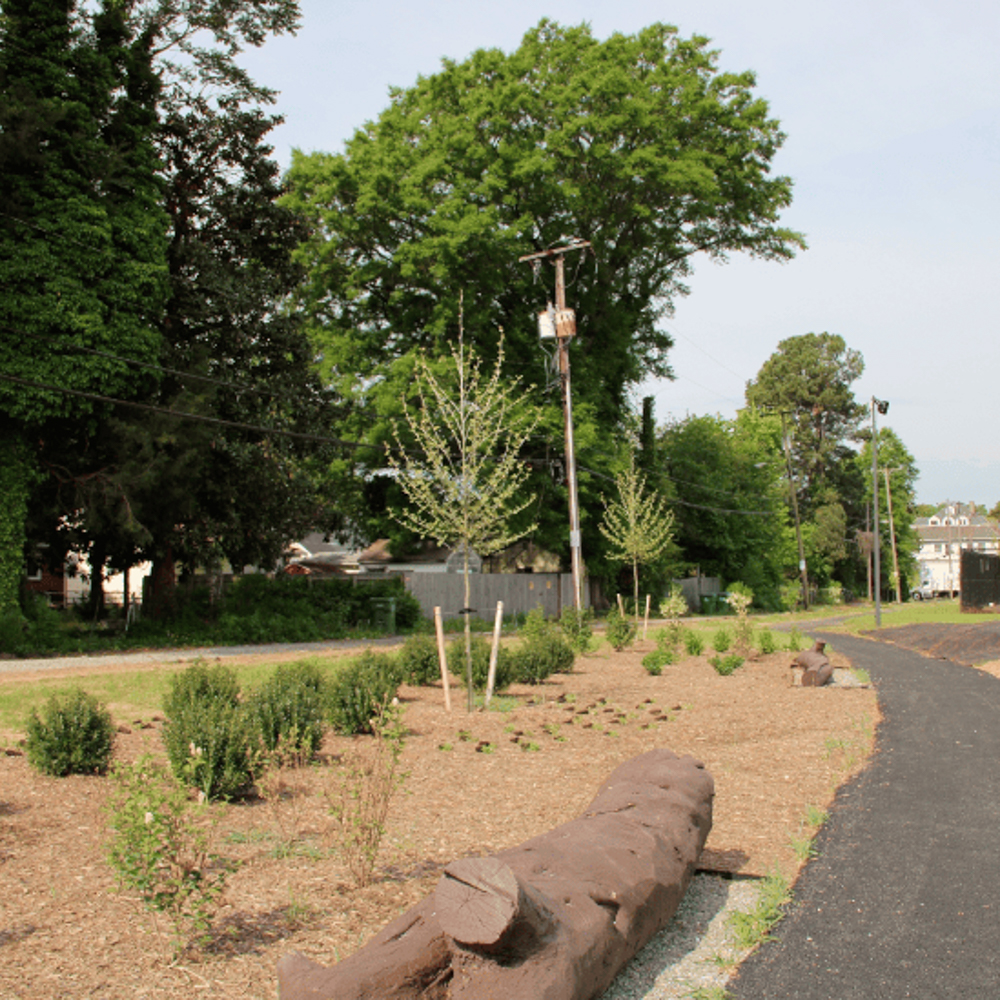
The Conserve the Future Fund, a committee advised fund at the Community Foundation, is passionate about projects at the intersection of local environmental issues and their impact on our quality of life. The Fund seeks “triple-win” projects that not only make a positive impact on the environment but also promote personal well-being and community prosperity.
Preference is given to projects that include more than one of the following:
- Preserving and revitalizing green spaces
- Promoting renewable energy and energy efficiency
- Improving personal and community health through cleaner air, water, and soil
- Protecting wildlife habitats
- Supporting biodiversity with an emphasis on native plants and pollinators
- “Reduce, reuse, recycle” programs
- Increasing environmental awareness and public engagement
- Education, research, and/or job training to support environmentally conscious efforts
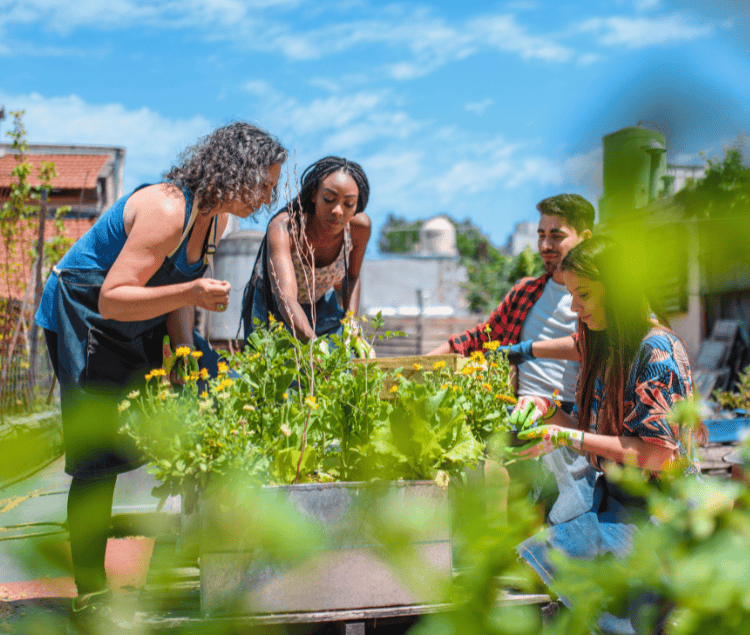
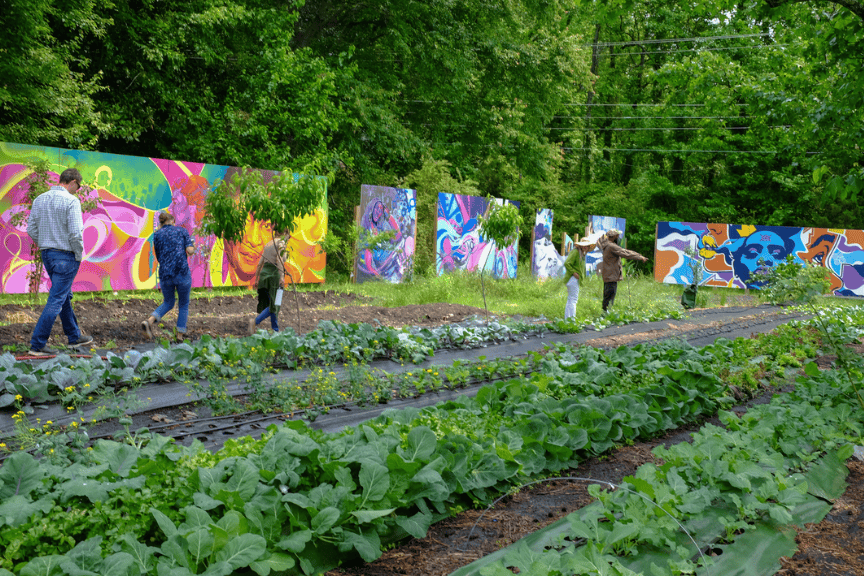
Benefiting The Environment
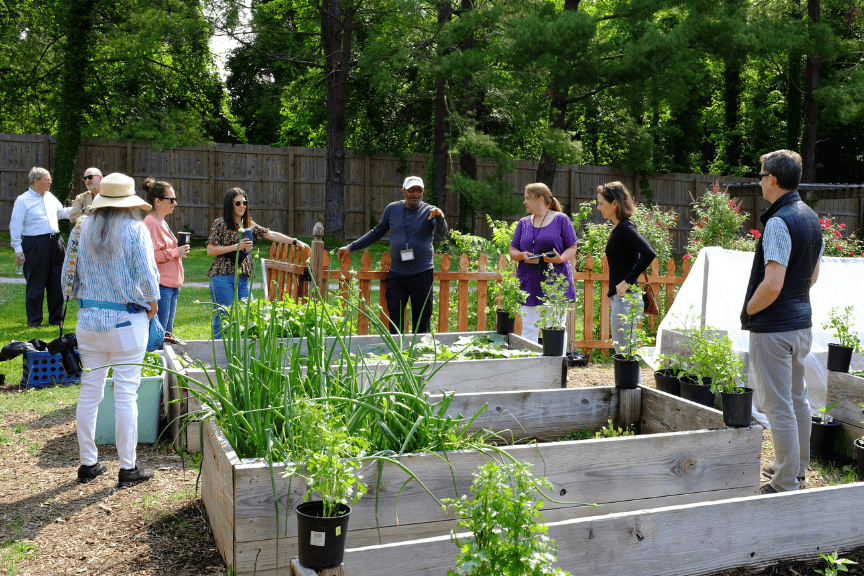
Conserving Natural Resources
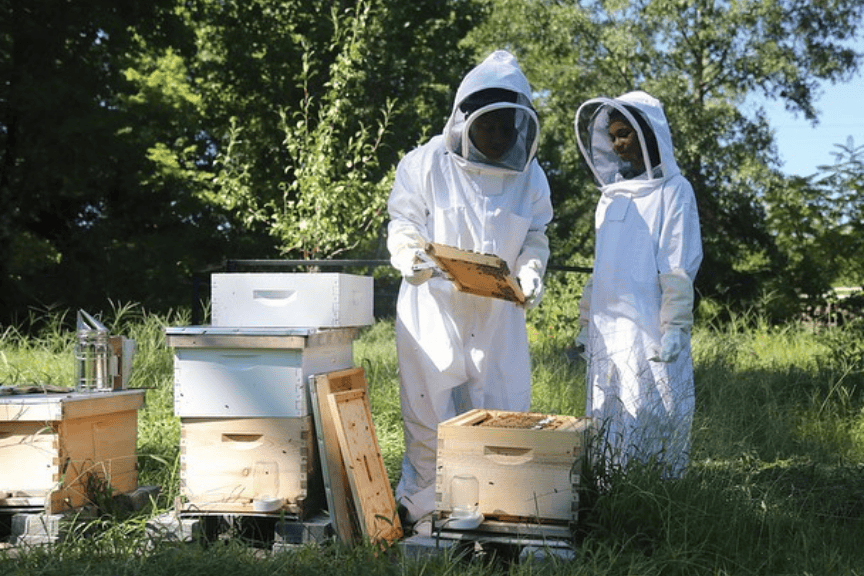
Enhancing Regional Sustainability
All Grant Awardees
Friends of the James River Park for the JRPS Wetlands Reforestation Project - $38,500
To reforest 3.78 acres at the Wetlands by removing dead green ash trees afflicted by the invasive emerald ash borer and replanting the affected area with native species that will provide habitat for birds, insects, and other native wildlife while also educating and engaging visitors by installing signage and two Chronolog stations.
Chesapeake Bay Foundation for Planting for the People: Trees, Shade, and Climate Resilience at Libby Hill Park - $25,000
To plant 100 native shade trees and a pollinator-supportive understory at Libby Hill Park, transforming the park into a safer, cooler, and more ecologically resilient public space where residents, students, and volunteers can engage with nature while carefully protecting the historic view shed that defines Libby Hill.
Friends of Byrd Park for Ecological Restoration of Triangle Meadow - $25,000
To create a Triangle Meadow adjacent to Shields Lake in Byrd Park that will control erosion, create pollinator gardens with native plants, and offer educational opportunities for local students and residents.
Capital Region Land Conservancy for Securing Farmland for the Central Virginia Agrarian Community Land Trust - $25,000
To record a conservation easement on 61 acres of farmland in Varina and transfer the ownership to Central Virginia Agrarian Community Land Trust to protect land for future generations and promote local food production and community engagement.
Community Climate Collaborative for Energy and Cost Saving Assistance for Richmond Nonprofits- $20,000
To reduce carbon emissions and operating costs for Richmond’s commercial sector by providing free and low-cost energy- and cost-saving assistance to locally headquartered businesses and nonprofits to help them upgrade to more efficient facilities and equipment.
NOVA of Virginia Aquatics for the Clear Flow Water Filtration System - $20,000
To install a Clear-Flow filtration optimization system that will significantly improve efficiency and reduce the usage of water, chemicals, and energy at NOVA’s nonprofit aquatic facilities and provide a scalable demonstration for sustainable pool operations while serving thousands of Central Virginia families annually.
Chesterfield Education Foundation for Outdoor Education in Low Income Schools - $10,000
To improve environmental sustainability at Meadowbrook High School and Bellwood Elementary by converting underutilized land into productive green spaces that support biodiversity with native and pollinator-friendly plants, reduce stormwater runoff and food waste, and promote environmental stewardship among youth.
Friends of Bryan Park for Invasive Plants Management - $5,000
To strategically monitor and control 22 species of invasive exotic plants within Bryan Park that have colonized many areas of the property and threaten the survival of native plants and animals.
500 Year Forest Foundation - $5,000
To support Walks in the Woods, a public education initiative that engages Richmond residents and students in guided nature walks through city parks to raise awareness about the value of mature and old-growth forests, promote environmental stewardship, and enhance well-being through time spent in nature.
Chesapeake Bay Foundation - $25,000
To support the installation of green infrastructure at Bellmeade Park, including a rain garden, dry stream bed, and wetland, to mitigate stormwater flooding, enhance water quality in the James River watershed, and provide hands-on environmental education for thousands of children and families annually in Southside Richmond.
CrossOver Healthcare Ministry – $25,000
To support energy-efficient infrastructure upgrades at CrossOver’s Henrico Clinic, including LED lighting, new electrical systems, and HVAC improvements, to reduce the clinic’s carbon footprint, lower utility costs, and ensure a sustainable, safe environment for delivering critical healthcare services to uninsured and underserved families.
Feed More - $30,000
To support Feed More’s Food Reclamation Project, which rescues surplus food from retailers, manufacturers, and farmers that would otherwise go to waste, reducing greenhouse gas emissions and resource depletion while increasing access to nutritious, culturally relevant food for food-insecure individuals and families across Central Virginia.
Keep Virginia Beautiful - $5,000
To support the Student Ambassadors for Virginia’s Environment (SAVE) program, which empowers high school students—particularly in underserved Richmond-area communities—to lead litter cleanups, educate peers, and engage in environmental stewardship projects that foster civic leadership and protect Virginia’s natural resources.
Maymont Foundation - $37,500
To enhance the Virginia Wildlife Trail at Maymont through native plantings and interpretive signage that promotes environmental education, biodiversity awareness, and habitat preservation, enriching the outdoor experience for more than a million annual visitors and 18,000 students while inspiring conservation action across Central Virginia.
Richmond Community ToolBank - $10,000
To establish a Southside Tool Lending Satellite that expands access to tools for residents and community-based organizations, empowering them to plant trees, create community gardens, and maintain affordable housing—advancing climate equity, environmental stewardship, and neighborhood resilience in historically underserved areas of Richmond.
Shalom Farms - $25,000
To support the expansion of Shalom Farms’ Northside Farm, increasing local food production, reducing the urban heat island effect, and providing hands-on environmental education—advancing food access, climate resilience, and sustainable land use in one of Richmond’s most underserved neighborhoods.
VCU Rice Rivers Center (VCU Foundation) - $20,000
To support VCU’s Rice Rivers Center in expanding environmental education and land stewardship training in partnership with the Chickahominy Tribe, equipping Tribal members with tools, data, and hands-on experiences to conserve culturally and ecologically significant lands at the Mamanahunt property and build long-term capacity for Tribal environmental leadership.
Capital Trees - $40,000 to transform 2 acres of turf at Hotchkiss Field and Community Center into a vibrant urban oasis with shade trees, trails, seating, native plants, and educational programs, addressing urban heat islands, promoting health, and fostering community engagement in Highland Park, Richmond.
Hopewell Downtown Partnership - $15,000 to the Greenmarket Program at the Hopewell Farmers Market to reduce the ecological footprint by 50% through circular economy initiatives, including waste reduction, compostable packaging, kitchen scrap collection, recycling promotion, zero food waste initiatives, and a community garden, with metrics to assess impact on plastic usage, food waste, and landfill diversion.
Renew Richmond - $25,000 to Farmstrong Community Farm for youth engagement in agriculture and environmental sustainability, addressing food insecurity and climate change through immersion programs, renewable energy integration, rainwater harvesting, soil improvement, native plant habitat creation, and community projects with local schools to empower marginalized communities in Richmond.
James River Association - $25,000 to support the James A. Buzzard River Education Center's green infrastructure initiatives, including native plant installation and stormwater management, aimed at reducing pollution, mitigating the urban heat island effect, and fostering community engagement to address climate change impacts in the Greater Richmond area.
Verdant Richmond - $10,000 to enhance community gardens and parks in Richmond, focusing on repairs, native plantings, and habitat creation to promote organic food production, reduce pollution, and support native insects, contributing to local environmental preservation.
Capital Region Land Conservancy - $40,000 to support establishing a revolving loan fund (Virginia Conservation Assistance Program) for urban residential & commercial conservation efforts
Capital Trees - $5,000 to support the planning & construction fees for greening Northside's Hotchkiss Field and Community Center
Community Climate Collaborative (C3) - $15,000 to support recruiting cohort of local employers to reduce GHG emissions while creating a replicable model for use throughout Virginia, propelling RVA toward carbon neutrality
City Bees RVA - $10,000 to support K-12 STEM program involving apiaries in Chesterfield, Sankofa Community Orchard, & Northside Pine Camp
Virginia Interfaith Center for Public Policy - $30,000 to support Installing solar panels on roof and wide promotion of "how-to" and benefits of solar energy to other local nonprofits & places of worship
Project Inspiration
Is your nonprofit considering applying for a grant with the Conserve The Future Fund? This list is intended to spark inspiration as you consider projects to submit to Conserve the Future. It is not meant to be prescriptive; instead, we encourage you to think creatively and explore ideas beyond those presented here. Let your imagination guide you as you develop your proposals!
Grantmaking Process
Programs benefiting the environment:
- Protecting wildlife habitats and supporting biodiversity with an emphasis on native plants that encourage pollinators, butterflies, and birds.
- Reforestation, soil conservation and preservation of green spaces.
Conserving natural resources:
- Renewable energy: solar, hydropower, wind and geothermal.
- Energy efficiency
- Efforts contributing to cleaner air, water, and soil.
Enhancing regional sustainability:
- Reduce, reuse, recycle programs.
- Education, research, and/or job training to support environmentally conscious efforts.
Criteria:
Grants are by invitation only.
Conserve the Future will invite organizations to apply for competitive grants once a year.
To be considered for this process, applicants must submit a Letter of Introduction (LOI) to the Conserve the Future process through our grants management portal. Focus of grants is predominately on supporting project-based efforts rather than annual operating budgets.
Including specific, quantifiable outcomes (i.e. greenhouse gas emission reductions, amount of plastic waste kept out of landfills, stormwater run-off diversion from watershed) would be appreciated in grant application review.
Proposals are accepted from nonprofit organizations within the cities of Colonial Heights, Hopewell, Petersburg and Richmond, as well as the counties of Chesterfield, Goochland, Hanover, Henrico, and Powhatan.
Grant amounts typically range from $5,000 to $40,000.
Deadlines:
- LOI Process Opens - December 19, 2025
- LOIs Due - January 16, 2026
- Invitations Issued for Full Applications - mid February 2026
- Application Closes - March 20, 2026
- Grant Decisions - April 22, 2026
*Dates subject to change.
The Fund Committee
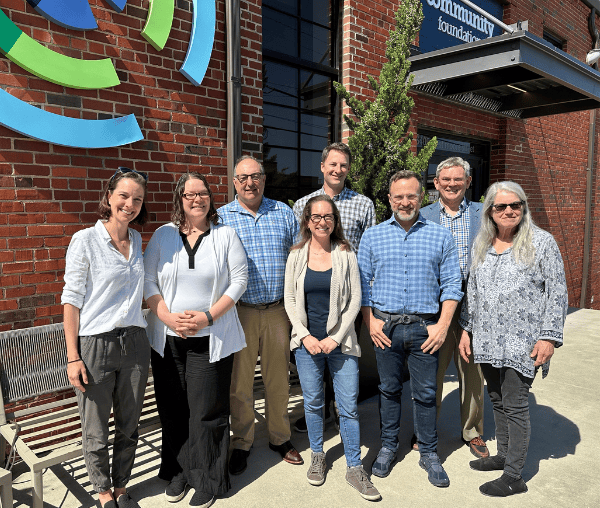
Thank you to the Conserve The Future Fund committee members!
Graham Evarts
Morgan Goodman
Bruce Kay
Jim Klaus
Ann Samford
Christie Thalhimer Silverstein
Elizabeth Thalhimer Smartt
Connect With An Expert
We’re here to help you make an impact. Let’s connect and explore the possibilities.